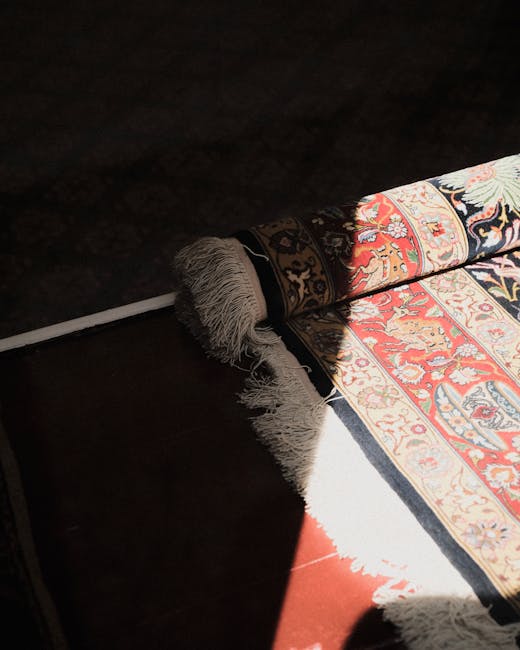
Hale Barns Rug Cleaning Guide for Period Homes
If you live in a period home, rug care is never just about "getting it clean". It is about protecting fibres, preserving colour, respecting older floors, and avoiding the kind of damp that can linger under a beautiful woven rug for days. This Hale Barns Rug Cleaning Guide for Period Homes is written for exactly that reality. Whether your home has original boards, Victorian-style detailing, or simply an older layout with quirks, the wrong rug-cleaning approach can do more harm than good. The good news? With the right process, you can keep rugs looking fresh without risking shrinkage, dye bleed, or hidden moisture issues.
In the next few minutes, you will get a practical, human-friendly guide: what matters most in period properties, how professional rug cleaning typically works, what to avoid, and when it makes sense to book a specialist rather than try a quick fix. Let's face it, a rug in an older home often carries more than dust. It carries history.
Why Hale Barns Rug Cleaning Guide for Period Homes Matters
Period homes tend to be less forgiving than newer properties. Floors may be uneven, ventilation can be patchy, and there is often a mix of old timber, underlay, and decorative finishes that react badly to excess moisture. A rug that seems simple on the surface can become a problem if it traps damp, stains the floor beneath it, or sheds soil into delicate fibres over time.
This matters even more in Hale Barns, where many households value carefully maintained interiors. A hand-knotted wool rug, a Persian-style runner, or a good-quality woven piece deserves a gentler approach than a standard synthetic hallway rug. The challenge is not just dirt. It is also age, structure, and material sensitivity.
In our experience, the most common mistake is assuming all rugs can be treated the same. They cannot. Wool, silk blends, viscose, cotton backs, jute, and antique pieces all respond differently to moisture, heat, agitation, and drying time. If you have ever lifted a rug and noticed a musty smell underneath, you will know exactly why controlled cleaning matters. That smell is often the first warning sign, and it is usually trying to tell you something.
Good rug cleaning in a period home is really about balance. You want enough cleaning power to remove grit, allergens, and stains, but not so much water or friction that you disturb the rug's structure. That balance is what separates careful maintenance from a costly mistake.
How Hale Barns Rug Cleaning Guide for Period Homes Works
Rug cleaning for period homes usually starts with assessment, not shampoo. A proper technician or careful homeowner should first identify the rug's fibre type, construction, dye stability, backing, and the floor surface beneath it. Why? Because the method depends on what the rug is made of and where it lives.
A sensible process often looks like this:
- Inspection: Check for wear, loose edges, frayed fringe, moth damage, old repairs, and colour variation.
- Dust removal: Lift dry soil before any moisture is introduced. Dry particles act like fine sandpaper if left in the pile.
- Spot testing: Test dyes and fibres in a hidden area. Period rugs may react unexpectedly.
- Targeted cleaning: Use the least aggressive method that will still remove the soil and staining.
- Controlled rinsing or extraction: Remove residues carefully so the rug does not feel sticky or stiff.
- Fast, even drying: Dry the rug thoroughly and protect the floor underneath.
- Final grooming and review: Check pile direction, fringe condition, and any remaining spots.
For many rugs, a professional-grade approach is closer to a "restorative clean" than a quick wash. If the rug has years of embedded dust, pet traffic, or a faint odour trapped in the fibres, it may need specialist attention from a service such as rug cleaning rather than a casual DIY attempt.
One quiet but important detail: drying. In older homes, the drying stage is often where things go wrong. A rug can seem fine on top and still be damp underneath. That is the bit people miss, and then a day later there is a sour smell. Not ideal, to put it mildly.
Key Benefits and Practical Advantages
A well-cleaned rug does more than look brighter. In a period home, it can change how the whole room feels. The air smells cleaner, the colours settle back into place, and the space stops looking tired around the edges.
- Preserves the rug's life: Dirt trapped deep in the pile causes abrasion every time the rug is walked on.
- Protects delicate fibres: Gentle methods reduce the risk of shrinkage, colour loss, and texture damage.
- Improves indoor freshness: Rugs can hold on to dust, pet odour, and lingering household smells.
- Supports period interiors: Clean rugs help traditional rooms feel cared for rather than overworked.
- Reduces hidden grime: Older homes often collect dust in nooks, skirting edges, and under furniture; rugs are no exception.
- Helps with allergen control: Regular cleaning can reduce accumulated dust and debris, though results vary by rug and method.
There is also the practical side. A clean rug is easier to inspect for damage. You can spot a loose weave, a small burn mark, or a fraying edge before it turns into a bigger repair. That kind of early warning is genuinely useful in period properties, where one weak point can spread faster than expected.
Expert summary: In period homes, the best rug cleaning is usually the one that removes soil thoroughly while keeping moisture, heat, and friction as low as possible. Gentle does not mean ineffective. It means considered.
Who This Is For and When It Makes Sense
This guide is for anyone caring for rugs in an older property, especially if the home has original wood floors, traditional plaster, or rooms that feel a bit cooler and less ventilated than modern builds. It is particularly relevant if your rug is wool, handwoven, antique, or sentimental. That last one counts too. Some rugs are not expensive in the market sense, but they matter because they have been under the family table for years. You do not want to ruin that with one overly wet clean.
It makes sense to follow this guidance if you notice:
- dust flattening into the pile rather than sitting on the surface
- spills that have left rings or dull patches
- a faint animal odour or cooking smell lingering in the fibres
- frayed fringes or worn edges that need careful handling
- previous cleaning attempts that left tide marks or stiffness
- discolouration under furniture legs or near doorways
It is also useful if you are comparing whether to clean the rug yourself or use a specialist. Some rugs are fine for cautious surface cleaning. Others are not. If the piece is valuable, fragile, heavily soiled, or already damaged, professional help is usually the safer route. For broader floor care in older interiors, pairing rug care with carpet cleaning or even steam carpet cleaning can make sense in a whole-home maintenance plan, though each surface needs its own method.
Step-by-Step Guidance
If you are tackling a rug in a period home, work slowly. Seriously. The extra ten minutes spent preparing will save you an hour of regret later.
1. Identify the rug
Check the label if there is one. If not, look at the weave, backing, and fringe. Wool often feels springy and resilient. Silk has a sheen and can be more delicate. Cotton may absorb moisture quickly. Jute or plant-based fibres usually need special caution because they can distort when wet.
2. Vacuum gently and thoroughly
Use a suction-only setting if possible, especially on antique or loop-pile rugs. Vacuum both sides if the rug can be moved safely. This removes grit that would otherwise become muddy during cleaning. For fringe, avoid aggressive brushing; it is easy to make it look worse, which is a bit annoying when all you wanted was "fresh".
3. Test for colour stability
Dab a hidden area with a lightly damp white cloth. If dye transfers, stop and reassess. Dye bleed on a period rug can be difficult to reverse, and sometimes impossible to fully hide.
4. Treat stains individually
Different stains behave differently. Food spill? Blot first. Mud? Let it dry, then lift. Grease? Use a suitable spot treatment very carefully. If the stain has already set, or if the rug has a known history of colour sensitivity, consider a specialist stain removal approach rather than improvising.
5. Clean with the least aggressive method that works
That may mean a low-moisture method, controlled hand-cleaning, or a specialist fibre-safe process. The aim is to flush out soil without saturating the rug or the floor below it. In older homes, less is often more.
6. Dry evenly and quickly
Rugs should not be left folded, draped over radiators, or sat on top of a damp underlay. Airflow matters. If a room is cold or enclosed, drying can take longer than you expect. And yes, that awkward smell after a few hours is usually your clue that things are not drying properly.
7. Finish with a final check
Look for stiffness, colour changes, lingering spots, or buckling. Check the floor underneath for moisture. If the rug is going back onto an original wood floor, make sure both surfaces are fully dry first.
Expert Tips for Better Results
There are a few habits that make a noticeable difference, especially in period homes.
- Rotate rugs regularly: This evens out wear and sun exposure, which matters in bright front rooms.
- Use rug pads thoughtfully: They can help with grip and airflow, but choose one suitable for older floors.
- Deal with spills quickly: Blot, do not rub. Rubbing pushes the spill deeper and fuzzes fibres.
- Keep cleaning product use conservative: More solution does not equal more clean. Sometimes it just means more residue.
- Dry with patience: Fans and airflow are helpful; heat is not always your friend.
- Watch the fringes: They are often the first part to fray and the easiest to damage.
A small practical observation: if a rug sits in a room that gets little winter sun, drying will often take longer than expected. You may think it is dry because the surface feels fine at lunch, then notice a cooler patch by late afternoon. Trust the process, not the surface feel alone.
If your home also has fabric furniture nearby, coordinating care across the room can be smart. A rug cleaned beautifully and a sofa left dusty can still make the room feel tired. That is where upholstery cleaning and sofa cleaning become relevant parts of the bigger picture.
Common Mistakes to Avoid
Most rug damage does not happen because someone meant to ruin anything. It happens because the job seemed straightforward. Sadly, rugs are rarely that cooperative.
- Using too much water: Saturation can cause shrinkage, dye migration, and backing damage.
- Scrubbing stains hard: This distorts the pile and can spread the mark.
- Skipping a dye test: One hidden colour run can turn into a visible problem very quickly.
- Drying too slowly: Damp fibres and old floors are not a good combination.
- Using universal cleaners on delicate fibres: "One cleaner for everything" sounds neat, but it is not always sensible.
- Ignoring the underside: The top may look clean while the backing stays dirty or damp.
- Putting the rug back too soon: A rug can trap residual moisture against the floor and undo the whole effort.
Another common slip is treating an antique rug like a modern synthetic one. They are not cousins in cleaning terms. Not really. An old woven piece might need a very different touch from a machine-made hallway runner.
Tools, Resources and Recommendations
You do not need a van full of kit to maintain a rug well, but a few sensible tools help.
- Suction-only vacuum: Useful for fragile or looped pile rugs.
- White microfibre cloths: Handy for blotting without transferring dye.
- Soft brush: Best used lightly, if at all, and only where appropriate.
- Rug pad or breathable underlay: Can help with protection and stability.
- Fans or good airflow: Important for drying in cooler rooms.
- Plain towels: A simple but effective way to absorb moisture after spot treatment.
If you are comparing services, look for clear explanations of process, fibre awareness, and careful handling of older homes. A reputable provider should be able to explain what they will do, how they will dry the rug, and what risks exist for your specific piece. If you want a wider view of the company's approach, about us is often a sensible place to start. For practical project planning, pricing and quotes can help you understand how a job may be assessed, while contact us is the obvious next step if you want to ask about a particular rug before booking.
For households thinking more broadly about responsible home care, recycling and sustainability may also be relevant, especially if you are deciding whether to restore, repair, or replace older household textiles.
Law, Compliance, Standards, or Best Practice
Rug cleaning itself is not usually a highly regulated household activity, but there are still sensible UK best-practice expectations around safety, care, and consumer service. If you use a professional cleaner, you would normally expect appropriate insurance, clear terms, and reasonable care with property and furnishings. In older homes, that includes protecting floors, managing moisture, and being upfront about any risks linked to delicate textiles.
Best practice also means being careful with products and methods. A cleaner should understand that older materials may react unpredictably and that not every stain should be treated in the same way. If a rug is extremely valuable or fragile, restoration-style caution is often more appropriate than "standard clean" thinking.
For homeowners, the practical takeaway is simple: ask questions before work begins. Find out how the rug will be tested, cleaned, and dried. If a service discusses safety, handling, and insurance clearly, that is a good sign. You can also review pages such as health and safety policy, insurance and safety, and terms and conditions to understand how a provider presents its responsibilities. It is not glamorous reading, admittedly, but it is useful.
Options, Methods, or Comparison Table
Different rug-cleaning approaches suit different situations. Here is a simple comparison to help you decide what fits a period home best.
| Method | Best for | Strengths | Risks in period homes |
|---|---|---|---|
| Vacuum and spot clean | Light maintenance, fresh spills | Quick, low moisture, easy to repeat | May not remove deeper soil or odour |
| Hand cleaning with controlled moisture | Delicate rugs, older fibres | Gentle and more targeted | Needs patience; can still over-wet if rushed |
| Low-moisture professional cleaning | Most quality rugs in older homes | Balances cleaning and safety well | Requires correct assessment and drying |
| Full wet wash or heavy saturation | Only certain robust rugs | Can be effective on durable, colourfast pieces | Higher risk of shrinkage, dye bleed, and floor moisture |
For many period homes, low-moisture or specialist textile cleaning is the sweet spot. It gives you the best chance of a thorough clean without turning the room into a drying project. And nobody wants to live around fans for two days if they can help it.
Case Study or Real-World Example
A typical scenario goes like this. A homeowner in a period property notices a wool rug in the sitting room has developed a dull patch near the fireplace and a faint stale smell after a wet week. The rug looks fine from a distance, but up close the pile is flattened and the fringe is carrying dust.
The first step is a careful inspection. The rug is vacuumed slowly on both sides, then tested in a hidden corner for dye stability. A small amount of spot treatment is used on the dull area, followed by a controlled clean rather than a saturated wash. The rug is then dried with steady airflow, lifted off the floor enough to allow circulation underneath, and checked again once fully dry.
The result is not a dramatic "brand new" transformation, because that is rarely realistic with a well-used rug. But the colour looks clearer, the pile recovers, and the room no longer carries that faint stale edge when you walk in at eight in the morning. That is the kind of improvement people actually notice. Small, but important.
Practical Checklist
Use this checklist before you clean a rug in a period home:
- Identify the fibre type if possible
- Check for loose threads, worn edges, or repair points
- Vacuum both sides carefully where safe
- Test colourfastness in a hidden area
- Choose the least aggressive cleaning method that fits the rug
- Protect the floor beneath the rug
- Use minimal moisture and blot rather than scrub
- Allow full, even drying with airflow
- Recheck for damp before placing furniture back
- Rotate the rug after cleaning to reduce uneven wear
If you are looking after other soft furnishings at the same time, it can be worth thinking about the whole room together. A rug, curtains, and upholstery all collect dust in slightly different ways. For a coordinated approach, curtain cleaning and mattress cleaning can be part of the same seasonal refresh, especially in homes where older fabrics hold onto scent and dust more readily.
Get a free quote today and see how much you can save.
Conclusion
Rug cleaning in a period home is one of those jobs that rewards care more than speed. The right method protects the fibres, respects the floor, and keeps the room feeling calm and well-kept. The wrong method can leave you with damp, distortion, or a rug that never quite looks right again.
If you remember just one thing, make it this: assess first, clean gently, dry thoroughly. That simple order solves more problems than any fancy product ever will. And if the rug matters to you, it deserves that level of attention.
For households in Hale Barns, the aim is not just a cleaner rug. It is a better-looking room, a healthier-feeling home, and a bit more peace of mind when you step across the floor in the morning. Not a bad result, really.
Frequently Asked Questions
Can all rugs in period homes be cleaned the same way?
No. Wool, silk, cotton, jute, blends, and antique rugs can all react differently to moisture, detergent, and agitation. Identification comes first.
Is steam cleaning safe for old rugs?
Sometimes, but not always. Steam can be too aggressive for delicate fibres or unstable dyes. It should only be used where the rug construction can cope with it.
How often should a rug in a period home be cleaned?
That depends on foot traffic, pets, dust levels, and the room itself. Many rugs benefit from regular vacuuming and deeper cleaning when visible soil or odour starts to build.
What is the biggest risk when cleaning rugs over wooden floors?
Excess moisture. Damp can affect the floor beneath, and trapped moisture can cause odour, staining, or warping if the rug is returned too soon.
Can I remove pet odour from a rug without soaking it?
Often, yes. The best approach depends on the source and depth of the odour. A targeted method is usually better than over-wetting the entire rug. If the issue is persistent, pet stain odour removal may be more suitable.
Should I vacuum an antique rug every week?
Usually yes, but gently. Use a careful suction setting and avoid rough agitation. Regular dust removal helps prevent grit from wearing down the fibres.
What if a stain has already set?
Set stains are harder to lift and may need specialist treatment. Avoid scrubbing or adding multiple products, because that can make the problem worse.
How can I tell if a rug is still damp after cleaning?
Check the underside, the fringe, and the feel near the backing. A rug can seem dry on top but still hold moisture underneath. If in doubt, wait longer.
Do I need professional cleaning for every rug?
No. Lightly used, robust rugs may be fine with careful home maintenance. But valuable, fragile, or heavily soiled rugs are usually better handled professionally.
What should I ask a cleaner before booking?
Ask about fibre testing, drying methods, handling of delicate rugs, insurance, and what happens if stains do not fully lift. Clear answers are a good sign.
Is there a good way to keep a rug fresher between deep cleans?
Yes. Vacuum regularly, rotate the rug, deal with spills quickly, and keep the room well aired where possible. Small habits make a real difference over time.
Where can I find more information about the company and its policies?
You can review pages such as about us, pricing and quotes, and insurance and safety for helpful background before making a decision.