Ashley Road End of Tenancy Cleaning Prices and Insider Tips
If you are moving out on Ashley Road, the last thing you want is a messy surprise at checkout. End of tenancy cleaning can make the difference between a smooth handover and a stressful back-and-forth with the landlord or letting agent. The tricky part is that prices vary, the job scope is not always clear, and every property has its own little complications. That is where Ashley Road End of Tenancy Cleaning Prices and Insider Tips really helps: you get a clearer idea of what you may pay, what affects the quote, and how to avoid paying for mistakes that were easy to prevent.
In this guide, we will break down how the service works, what typically affects pricing, and the practical steps that can save time, money, and a fair bit of hassle. We will also cover common mistakes, a realistic comparison of options, and the kind of preparation that makes cleaners far more effective. To be fair, moving is chaotic enough already.
Table of Contents
- Why Ashley Road End of Tenancy Cleaning Prices and Insider Tips Matters
- How Ashley Road End of Tenancy Cleaning Prices and Insider Tips Works
- Key Benefits and Practical Advantages
- Who This Is For and When It Makes Sense
- Step-by-Step Guidance
- Expert Tips for Better Results
- Common Mistakes to Avoid
- Tools, Resources and Recommendations
- Law, Compliance, Standards, or Best Practice
- Options, Methods, or Comparison Table
- Case Study or Real-World Example
- Practical Checklist
- Conclusion
- Frequently Asked Questions
Why Ashley Road End of Tenancy Cleaning Prices and Insider Tips Matters
End of tenancy cleaning is not just another tidy-up. It is a detailed, property-wide clean designed to help a home look ready for inspection, reletting, or handover. On Ashley Road, where rental properties can range from compact flats to family homes, the amount of work involved can vary a lot. One flat might need a thorough kitchen degrease and carpet refresh; another might also need upholstery attention, limescale removal, and stain treatment in several rooms.
That variation is why pricing matters so much. Many people search for a simple number, but in practice the quote depends on condition, size, and what is included. A low headline price can look tempting, yet it may exclude the very tasks that matter most during checkout. On the other hand, an honest, well-scoped quote can save you from last-minute add-ons. It is one of those situations where the cheapest option can end up costing more. You know how that goes.
Insider tips matter for another reason: a cleaner can only work with what they are given. If you clear clutter, note problem areas early, and understand what is expected under your tenancy agreement, you usually get better results for less effort. That is the sweet spot.
Expert summary: the best value comes from a clear scope, good preparation, and choosing the right add-ons only where they are genuinely needed. That usually beats chasing the lowest quote.
If you want to understand broader service standards and how a professional cleaning business presents pricing, it is worth reviewing the company's pricing and quotes information alongside its terms and conditions. That helps you compare like with like, which is half the battle.
How Ashley Road End of Tenancy Cleaning Prices and Insider Tips Works
At its core, the process is straightforward. A cleaner assesses the property size, condition, and any special requirements, then builds a quote around the time, labour, materials, and equipment likely needed. The more detailed the quote, the less room there is for awkward surprises later on.
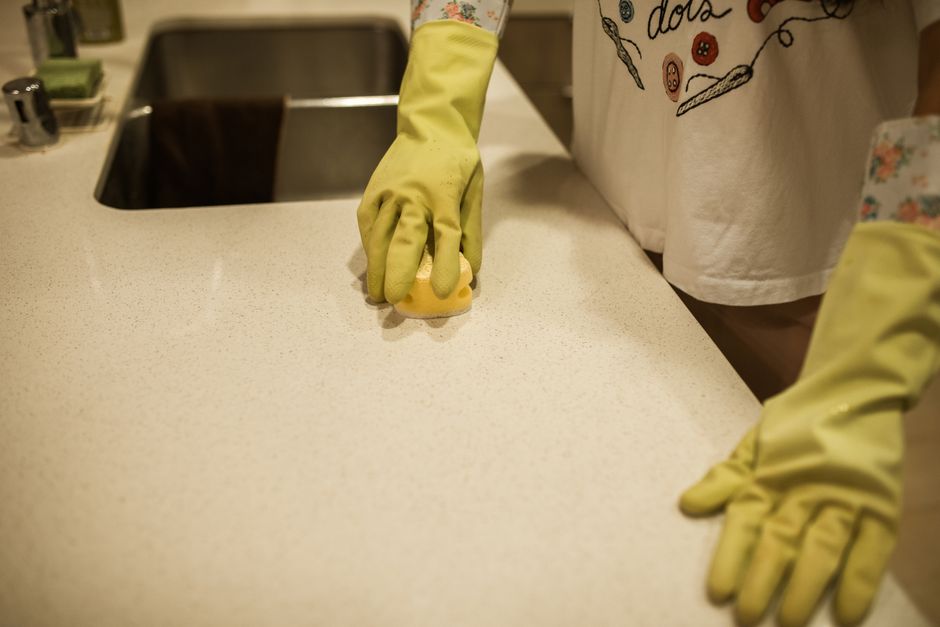
In most cases, end of tenancy cleaning covers the main rooms, appliances, fittings, and surfaces expected to be left clean at the end of a rental period. Depending on the property, this can include ovens, extractor fans, sinks, taps, skirting boards, switches, inside cupboards, bathrooms, floors, and sometimes soft furnishings if that is part of the arrangement. If the property has carpets, rugs, sofas, or mattresses that need attention, those are usually quoted separately or as add-on services.
Prices are usually influenced by:
- property size and number of rooms
- current condition and level of soiling
- presence of pets, odours, or stains
- carpeted areas and upholstery that need specialist cleaning
- access, parking, and time restrictions
- whether the clean is after a long tenancy or a shorter let
A practical way to think about it is this: a property that has been regularly maintained is faster to clean than one that needs heavy restoration-style work. That sounds obvious, but people often underestimate just how much difference a few months of built-up grime can make.
If you are comparing options, checking specific service pages such as carpet cleaning, steam carpet cleaning, sofa cleaning, or upholstery cleaning can help you see how specialist tasks fit into the overall move-out clean.
Key Benefits and Practical Advantages
The obvious benefit is a cleaner property. But the real value of professional end of tenancy cleaning goes a bit further than that.
- Better handover readiness: A properly cleaned property is easier to inspect and less likely to trigger avoidable complaints.
- Time saved during a stressful move: Packing, removals, paperwork, and final meter checks already take over your day. Letting a professional team handle the detailed clean can be a relief.
- More consistent results: Professionals tend to know the places people miss, like behind appliances, around taps, or the top edges of door frames.
- Reduced risk of re-clean costs: If the clean is done properly the first time, you are less likely to be called back for touch-ups.
- Useful for deposits and dispute prevention: A strong clean will not guarantee deposit return on its own, but it can remove one common source of disagreement.
There is also a subtler benefit: peace of mind. The property feels finished. The echo is different. The rooms stop looking like a job list and start looking empty, which is oddly satisfying. By the time the last bag is out, that matters.
Who This Is For and When It Makes Sense
This kind of cleaning is most useful for tenants, landlords, letting agents, and managing agents who need a rental property handed over in a presentable, professional condition. It can also help if you are moving between shared houses, student lets, or serviced accommodation where turnover is quick and expectations are high.
It makes sense particularly when:
- you are short on time before move-out day
- the property has carpets, stains, or pet odours that need specialist treatment
- the tenancy agreement expects a professional standard of clean
- you want to reduce the chance of a dispute over cleanliness
- the property has been lived in for a long period and needs a deeper reset
It may be less necessary if the property is already in excellent condition and only a light final clean is needed. Even then, many people still choose targeted help for the kitchen, bathroom, and carpets because those are the areas that tend to draw attention during inspection. Why risk it over a greasy oven shelf or a stubborn stain on the landing?
Step-by-Step Guidance
If you want to get the best outcome for the fairest price, a simple process works best.
- Check your tenancy agreement. Look for any wording about professional cleaning, carpet treatment, or specialist stain removal. This helps you avoid unnecessary extras and focus on what matters.
- Walk through the property room by room. Make a quick list of high-risk areas: oven, fridge, limescale, skirting, carpets, marks on walls, furniture, and windowsills.
- Ask for a detailed quote. A good quote should explain what is included, what is excluded, and whether add-on services are priced separately.
- Remove clutter before the team arrives. Cleaners work faster when surfaces, floors, and cupboards are accessible. It sounds simple because it is.
- Flag stains and odours early. Fresh pet spots, food spills, and drink stains need the right treatment. Mentioning them in advance means the cleaner can plan the proper method.
- Confirm access and timing. Make sure the team can get in, park if needed, and complete the work without interruption.
- Do a final check before handover. Focus on places that catch the eye first: kitchen shine, bathroom freshness, and soft furnishings.
A small but useful tip: photograph problem areas before and after the clean. It is not about being dramatic. It simply gives you a record, and records are handy when everyone is tired and moving boxes. That is real life.
Expert Tips for Better Results
The best insider tip is not glamorous: prepare the property properly and be precise about what you need. Clarity saves money. Vague instructions tend to create vague outcomes.
Here are the details that usually make the difference:
- Book specialist cleaning only where needed. If the carpets are fine but the sofa has visible marks, it may be smarter to target upholstery rather than bundle everything in.
- Deal with stains quickly. Older stains often settle deeper into fibres. Fresh spill? Tell the cleaner. Do not scrub it to death beforehand, because that can make it worse.
- Think about odour, not just appearance. Pet smells, damp, and kitchen odours can linger even when a room looks clean. If that is an issue, ask about pet stain and odour removal.
- Use a checklist with the inventory report. If the checkout inventory is detailed, match the clean to it. That reduces unnecessary arguments later.
- Schedule the clean after most packing is done. Cleaning around boxes is slower and less effective. No one loves moving a stack of books three times.
- Ask about the cleaning method. Steam cleaning, stain treatment, and upholstery cleaning are not interchangeable. Different materials need different care.
If you want a cleaner home between tenancies, or even for a managed property with repeated turnover, it also helps to understand the maintenance side of services like commercial carpet cleaning. Not every property needs it, but in some cases it can prevent bigger problems later.
Common Mistakes to Avoid
Most problems with end of tenancy cleaning are avoidable. Honestly, most of them come down to rushing.
- Only comparing headline prices. A cheap quote that excludes ovens, inside cupboards, or carpets may not be cheap at all.
- Leaving the clean until moving day. Once removals are in motion, the property becomes awkward to work in.
- Assuming every stain will come out. Some marks can be reduced, not removed entirely, especially if they are old or have been heat-set.
- Forgetting hidden areas. Behind radiators, under appliances, and inside drawer tracks are common inspection trouble spots.
- Not checking what the agent expects. A landlord may be looking for different things than a tenant assumes.
- Trying to do specialist cleaning with the wrong product. One poorly chosen spray can spread a stain or leave a sticky residue.
There is a funny little pattern here: people often spend ages polishing visible surfaces and then forget the places an inspector actually notices. The skirting board. The oven door seal. The dusty top of a wardrobe. Small stuff, but it adds up fast.
Tools, Resources and Recommendations
You do not need a van full of kit to prepare for an end of tenancy clean, but a few basic items help a lot.
- microfibre cloths for dust and smear removal
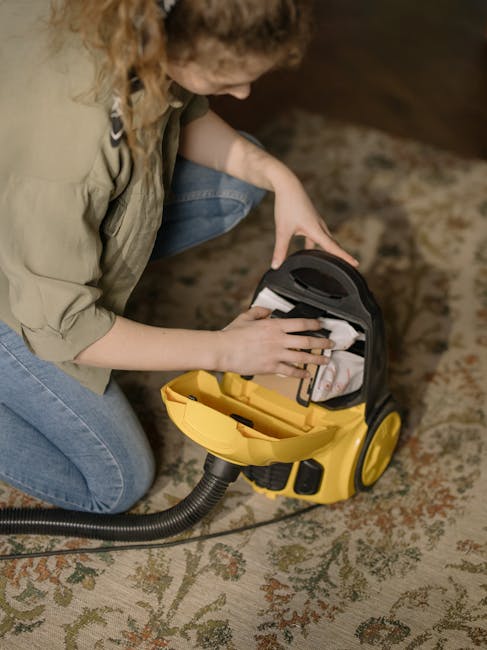
- a vacuum cleaner with attachments for edges and upholstery
- gentle surface cleaner suitable for kitchens and bathrooms
- a non-abrasive sponge for stubborn but delicate areas
- bin bags, labels, and boxes for quick decluttering
- gloves if you are sorting cupboards or old cleaning products
For specialist jobs, it is usually better to rely on a professional method than to guess. Carpet fibres, wool rugs, and upholstered furniture can react badly to the wrong moisture level or chemical. That is why services such as rug cleaning and mattress cleaning are worth considering if those items are part of the tenancy handover.
When you are comparing providers, pay attention to how they explain quotations, payment, and service terms. The pages on payment and security and insurance and safety can be useful because they show how a professional business thinks about trust, not just cleaning.
Law, Compliance, Standards, or Best Practice
In the UK, the practical standard for end of tenancy cleaning is usually driven by the tenancy agreement, the inventory, and the condition the property is expected to be left in at checkout. That means the agreement matters. So does the inventory. If both say the property must be returned in a clean condition, that is the benchmark most people work to.
There is not one universal legal rule that sets a single cleaning standard for every rental property. Instead, what matters is what was agreed, what the property looked like at the start, and whether the end condition is reasonable given normal wear and tear. That is why careful documentation is so helpful. It keeps things grounded.
Best practice also means using safe, suitable products, handling equipment responsibly, and protecting surfaces where needed. Professional cleaners should be able to explain what they are doing, especially if a room contains delicate flooring, specialist upholstery, or heavily soiled areas. If you are arranging a service, it is sensible to check the business's health and safety policy and its about us page for background on how it operates.
For tenants and landlords alike, the safest approach is straightforward: agree the scope, document the property, and make sure the cleaning method matches the material. No drama, no guesswork.
Options, Methods, or Comparison Table
Not every move-out clean needs the same level of help. Here is a simple comparison of common options.
| Option | Best for | Pros | Watch out for |
|---|---|---|---|
| DIY end of tenancy clean | Very small, lightly used properties | Lower upfront cost, flexible timing | Time-consuming, easy to miss inspection details |
| Targeted professional cleaning | Stains, carpets, upholstery, or kitchens needing extra work | Good value where only certain areas need specialist help | Can still leave general areas for you to finish |
| Full professional end of tenancy cleaning | Most rentals, especially after long occupancy | Most thorough and least stressful for handover | Higher total price, though often better value overall |
| Mixed approach | Properties with a good general condition but a few problem areas | Balanced cost and effort | Requires clear coordination so nothing is missed |
In real life, the mixed approach is often the smartest. Maybe you handle the cupboards and general dusting, then bring in a specialist for carpets or a stubborn sofa mark. That way you are not paying for work you can reasonably do yourself, but you still get expert help where it counts.
Case Study or Real-World Example
Here is a realistic scenario from a typical move-out on Ashley Road. A tenant in a two-bedroom flat had kept most of the place tidy, but the kitchen had built-up grease near the extractor area, the living room carpet showed traffic marks, and the fabric sofa had a couple of dark patches from daily use. Nothing dramatic, but enough to worry about during checkout.
Instead of ordering a one-size-fits-all clean, the tenant asked for a detailed quote and flagged the problem areas in advance. The cleaner was able to focus on the oven and kitchen surfaces, treat the carpet, and add upholstery work only where it was needed. That meant the tenant avoided paying for unnecessary extras while still addressing the parts likely to stand out during inspection.
The useful lesson? Clarity saves money. A lot of people think they need the biggest package, when actually they need the right package. Different thing entirely.
It also helped that the tenant cleaned out cupboards and removed bags before the appointment. The cleaner could move efficiently, work more thoroughly, and finish on time. A small detail, sure, but the kind that quietly changes the result.
Practical Checklist
Use this before booking or before the team arrives.
- Read the tenancy agreement and inventory notes
- List every area that needs attention, including hidden spots
- Identify stains, odours, or damaged surfaces early
- Ask for a clear quote with inclusions and exclusions
- Confirm whether carpets, rugs, sofas, or mattresses are separate items
- Remove personal items, bins, and clutter
- Make sure access, parking, and timing are confirmed
- Keep note of any delicate materials or special instructions
- Photograph problem areas before the clean
- Do a final check against the checkout list
If you are also refreshing soft furnishings as part of the move, it may help to look at curtain cleaning and stain removal options, since curtains and fabric marks are often overlooked in the last week. People forget those. Every time.
Get a free quote today and see how much you can save.
Conclusion
Ashley Road End of Tenancy Cleaning Prices and Insider Tips come down to one simple idea: know what needs cleaning, understand what affects the price, and prepare the property so the cleaners can do their job properly. That is how you keep costs sensible without cutting corners.
If you only take one thing from this guide, let it be this: the cheapest quote is not always the best value, and the best value is not always the fanciest package. It is usually the one that matches the property, the timing, and the actual condition on the day. A clear checklist, a fair quote, and the right specialist help where needed can make the whole move-out feel far more manageable.
And once the keys are handed back, that clean, empty-room feeling is hard to beat. A little tired, maybe. But properly done, and that counts for a lot.
Frequently Asked Questions
How much does end of tenancy cleaning usually cost on Ashley Road?
Costs vary depending on property size, condition, and whether extras such as carpet or upholstery cleaning are needed. A one-bedroom flat will usually cost less than a larger family property, but the final figure depends heavily on the level of work involved.
What is normally included in an end of tenancy clean?
It usually includes detailed cleaning of kitchens, bathrooms, floors, surfaces, appliances, skirting boards, and other high-contact areas. Some jobs also include carpets, rugs, curtains, or soft furnishings, but those are often priced separately.
Is professional end of tenancy cleaning worth it?
For many tenants, yes. It saves time, improves consistency, and reduces the chance of missing important inspection areas. If the property is in poor condition or has specialist cleaning needs, the value usually becomes even clearer.
Do I need carpet cleaning as well as end of tenancy cleaning?
Only if the carpets need it or the tenancy agreement expects it. If there are visible marks, traffic wear, or odours, a separate carpet service can be worthwhile. The same logic applies to rugs and upholstery.
Can I clean the property myself and still meet tenancy expectations?
Sometimes, yes. If the property is lightly used and you are thorough, DIY cleaning may be enough. But if the handover standard is strict or the property has stained carpets, greasy appliances, or heavy wear, a professional clean is often safer.
What affects the price the most?
Condition is usually the biggest factor, followed by size and the number of specialist tasks needed. Access, parking, and time constraints can also affect the quote in some cases.
Should I book the clean before or after moving out?
Ideally, after most belongings are gone but before the final handover. That gives the cleaner space to work properly without boxes and furniture getting in the way.
What if there are pet stains or odours?
Tell the cleaner in advance. Pet issues often need targeted treatment rather than standard cleaning, and the right method depends on the material and how deep the odour has settled.
Will end of tenancy cleaning remove every stain?
Not always. Some stains are permanent, especially if they are old or have been treated with the wrong product before. A good cleaner may reduce their appearance significantly, but it is best to be realistic.
How do I compare quotes fairly?
Compare what is included, what is excluded, whether specialist services are extra, and whether the quote reflects the actual condition of the property. A detailed quote is usually more useful than the cheapest one.
What should I do before the cleaner arrives?
Remove clutter, empty cupboards where needed, flag any problem areas, and make sure access is sorted. If you want the best result, share any tricky details early rather than waiting until the day.
Where can I learn more about service standards and company policies?
It helps to review the company's public information, including its health and safety policy, insurance and safety details, and pricing and quotes guidance so you understand how the service is structured.
What is the biggest insider tip for saving money?
Be specific about what you need, and only pay for specialist cleaning where it genuinely adds value. A focused quote is usually better than a broad package full of things you do not need.